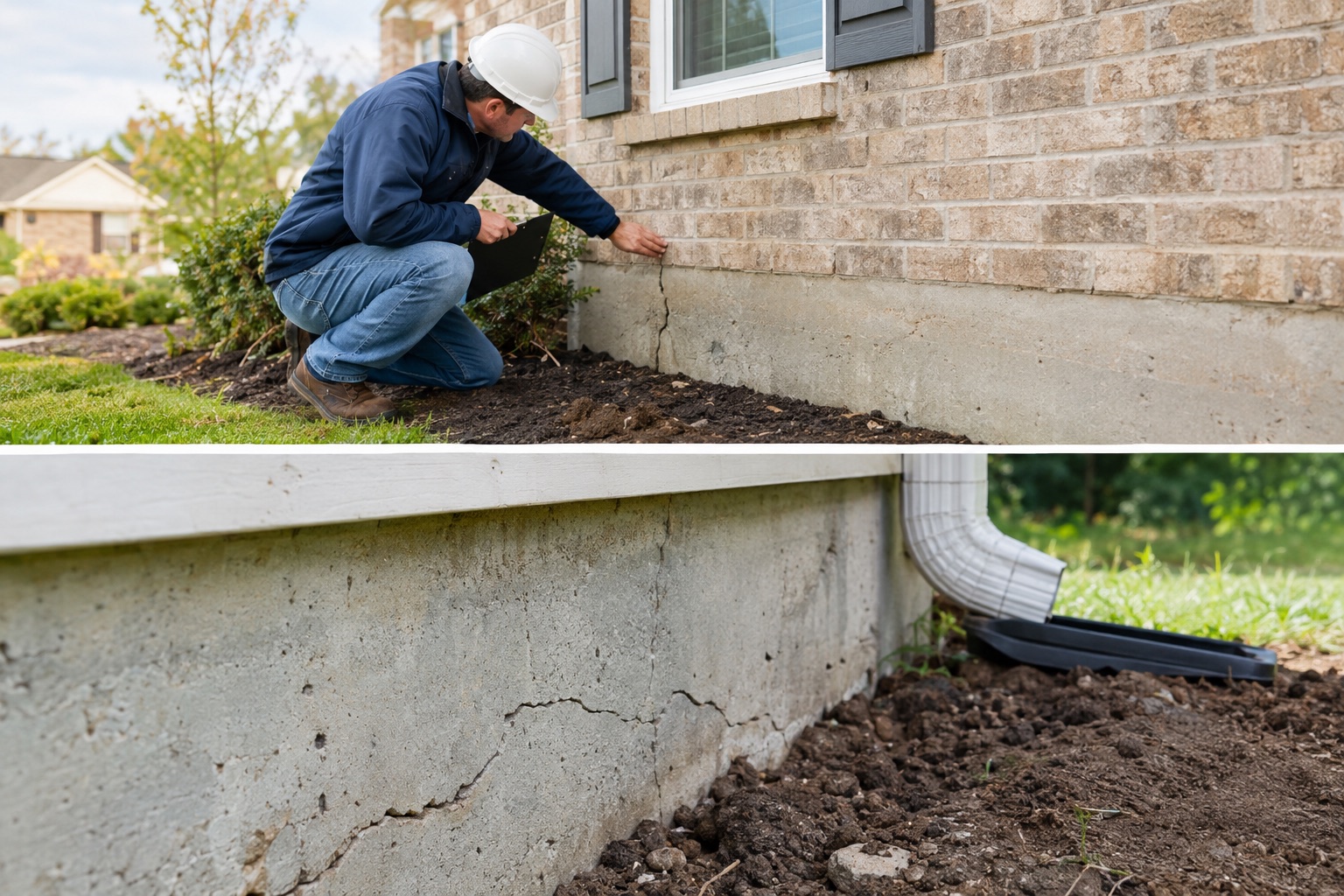
Sagging Floor Repair
Sagging and Uneven Floor Repair in Oak Ridge
Floors dipping, bouncing, or sloping? Start by understanding why. Get a Free Estimate
Sagging Floor Repair
Floors dipping, bouncing, or sloping? Start by understanding why. Get a Free Estimate
A sagging or uneven floor can affect how your home feels and functions. You may notice a dip in the middle of a room, a floor that bounces when someone walks across it, or doors that begin to stick as the surrounding structure changes. These symptoms can relate to foundation settlement, weakened floor joists, damaged beams, inadequate support, or moisture-related deterioration.
The right repair depends on identifying which part of the structure is responsible. A floor problem caused by a settling foundation is different from one caused by damaged framing in a crawl space. A useful assessment considers floor levels, visible support components, moisture conditions, and any related foundation symptoms. Repair options may include targeted framing repairs, support improvements, or foundation stabilization when the findings justify it.
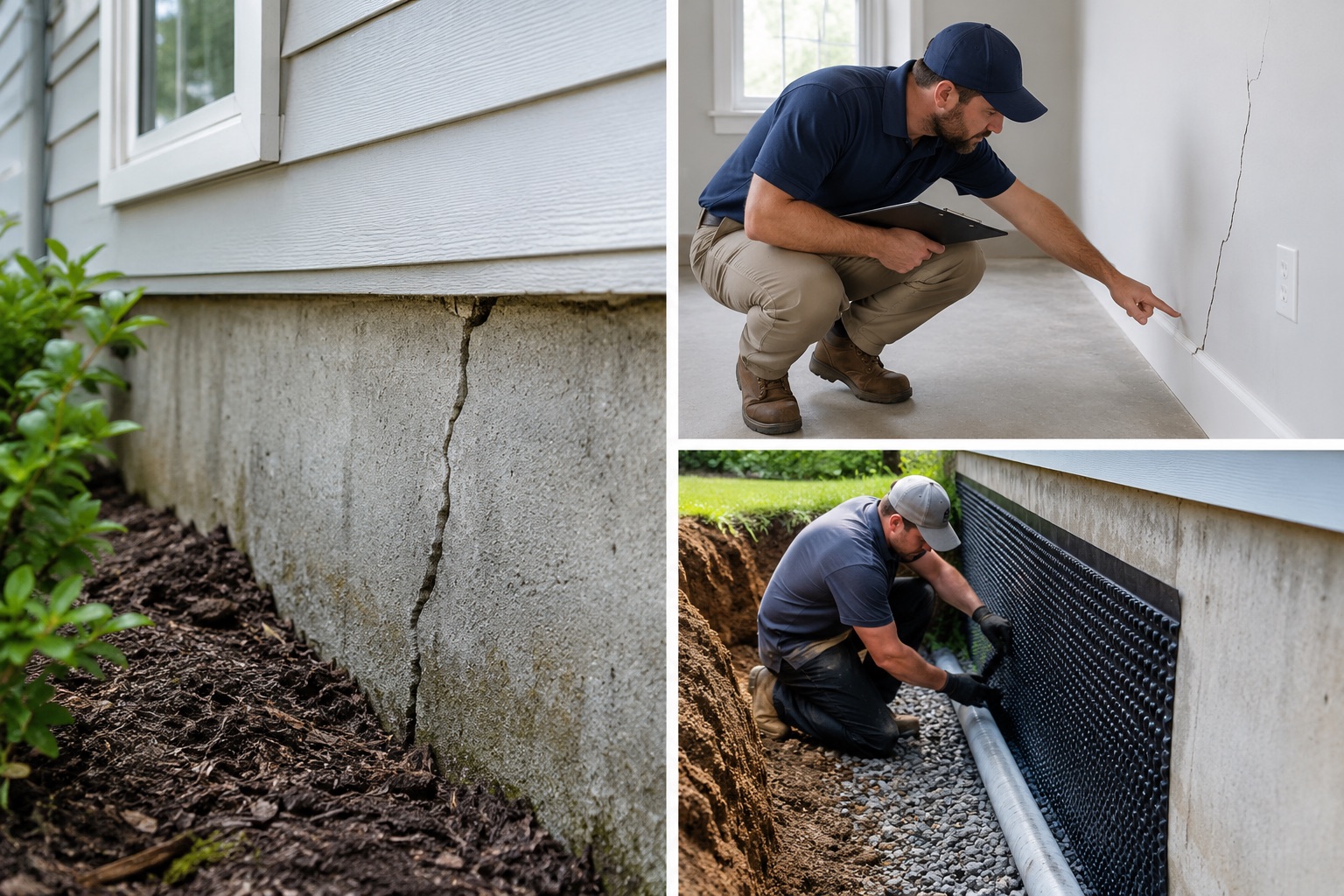
Sagging floors are a symptom, not a diagnosis. Understanding the cause helps avoid repairs that improve the appearance temporarily without addressing the underlying condition.
Floor joists can weaken because of moisture exposure, deterioration, damage, or changes made during previous construction. Symptoms may include bouncing, unevenness, or a localized dip. The condition of the framing and the loads it carries should be evaluated before repair. Depending on the findings, the solution may involve repairing or reinforcing affected members under an appropriate plan.
Beams and posts help support the floor system and transfer its loads to the foundation or other bearing points. Shifting, damaged, or insufficient supports can cause floors to sag or feel unstable. The correct repair depends on the support layout, loads, and existing construction. Structural modifications should be designed and carried out with suitable professional guidance.
If a section of the foundation settles, the floor structure above it may change position. Related signs can include foundation cracks, gaps near doors, and changes in floor level across multiple rooms. Repair planning should consider the relationship between the foundation and the floor framing. Addressing only the floor surface may not correct movement originating below the structure.
Persistent crawl space dampness or plumbing leaks can affect wood framing and support components. Damaged materials may lose strength and contribute to uneven floors. The moisture source and the condition of the affected framing should both be considered. Repairing damaged components without addressing a continuing moisture problem may allow deterioration to recur.
| Service | Estimated Cost | Average |
|---|---|---|
| Localized floor support repair | Depends on framing and access | Property-specific estimate required |
| Joist or beam repair | Depends on damage and structural scope | Property-specific estimate required |
| Foundation-related floor stabilization | Depends on movement and support needs | Property-specific estimate required |
Costs depend on the cause of the sagging, the affected area, access, material condition, and whether foundation or engineering work is needed. An estimate should identify the underlying issue being addressed and any work outside the stated scope.
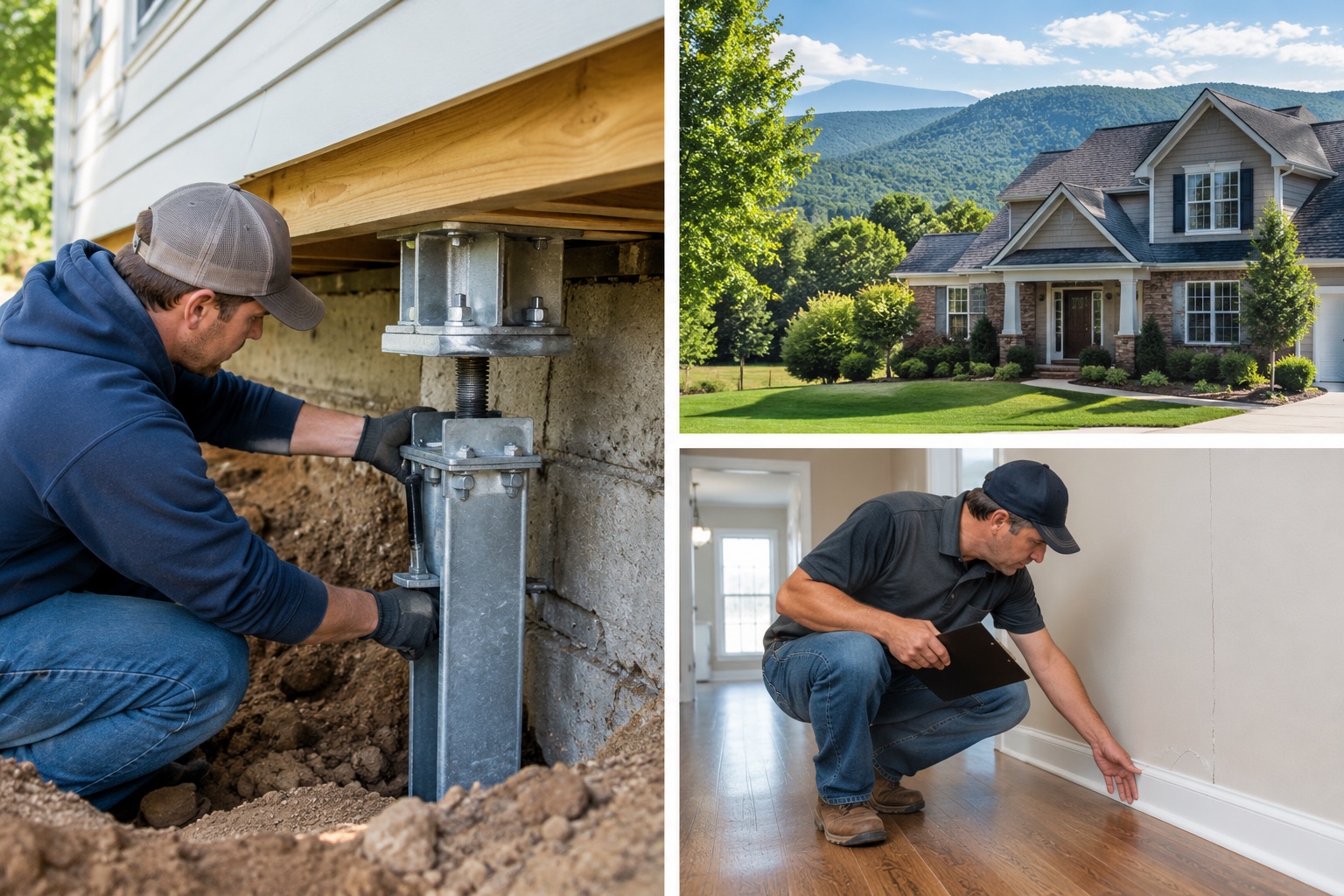
We focus on understanding why the floor is sagging before discussing a solution intended to correct the condition.
Joists, beams, posts, and foundations can all influence floor performance and may need to be considered together.
We explain the purpose of a proposed repair and whether it is intended to improve support, reduce movement, or address related damage.
If your Oak Ridge home's floors are sagging or uneven, contact us to discuss the symptoms and possible causes.
Free — no obligations
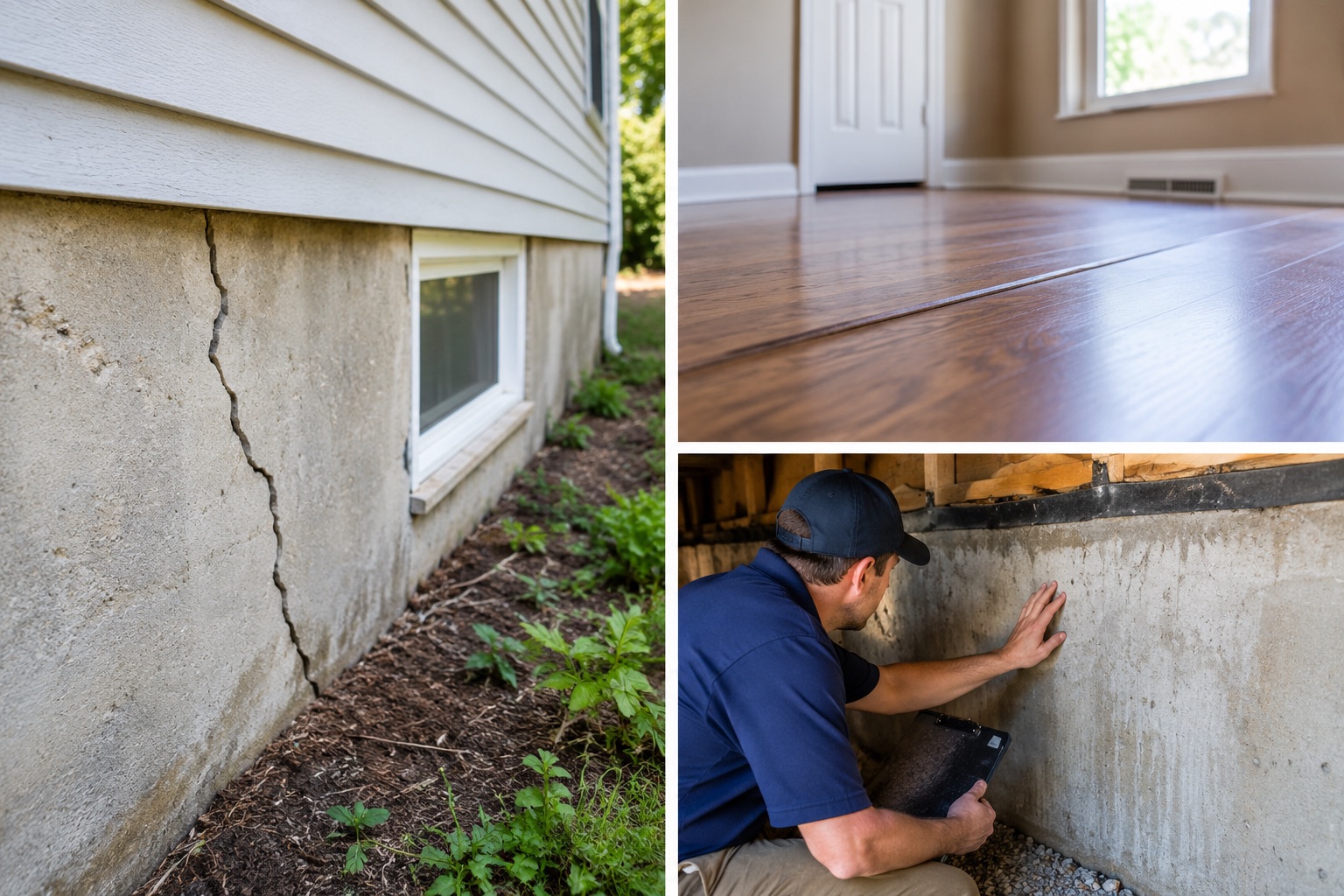
Describe the affected rooms, the location of dips or bounce, and whether the problem has changed over time.
Review available information about the foundation, crawl space, beams, joists, and any signs of moisture or damage.
Determine whether the symptoms point toward framing work, support improvements, foundation evaluation, or specialist input.
Discuss the expected work, costs, access, and any limitations before proceeding.