Basement Waterproofing in Oak Ridge
Basement Waterproofing and Moisture Control
Damp walls or water entering your basement? Let's discuss the source. Get a Free Estimate
Basement Waterproofing in Oak Ridge
Damp walls or water entering your basement? Let's discuss the source. Get a Free Estimate
A damp basement can lead to damaged finishes, persistent odors, and concerns about the condition of the foundation. Water may enter through cracks, wall-floor joints, poorly managed exterior runoff, or other openings. Condensation and indoor humidity can also make a basement feel damp even when groundwater is not entering. Understanding the source is essential to choosing an effective approach.
Basement waterproofing in Oak Ridge involves considering the foundation walls, drainage around the property, visible cracks, and any history of water intrusion. Depending on the conditions, a plan may include crack sealing, drainage improvements, moisture management, or other waterproofing measures. Waterproofing can reduce water entry, but it should not be presented as a guarantee against every future leak or as a substitute for structural repair when movement is involved.
The most appropriate waterproofing solution depends on how water reaches the basement, how much moisture is present, and whether the foundation has related structural concerns.
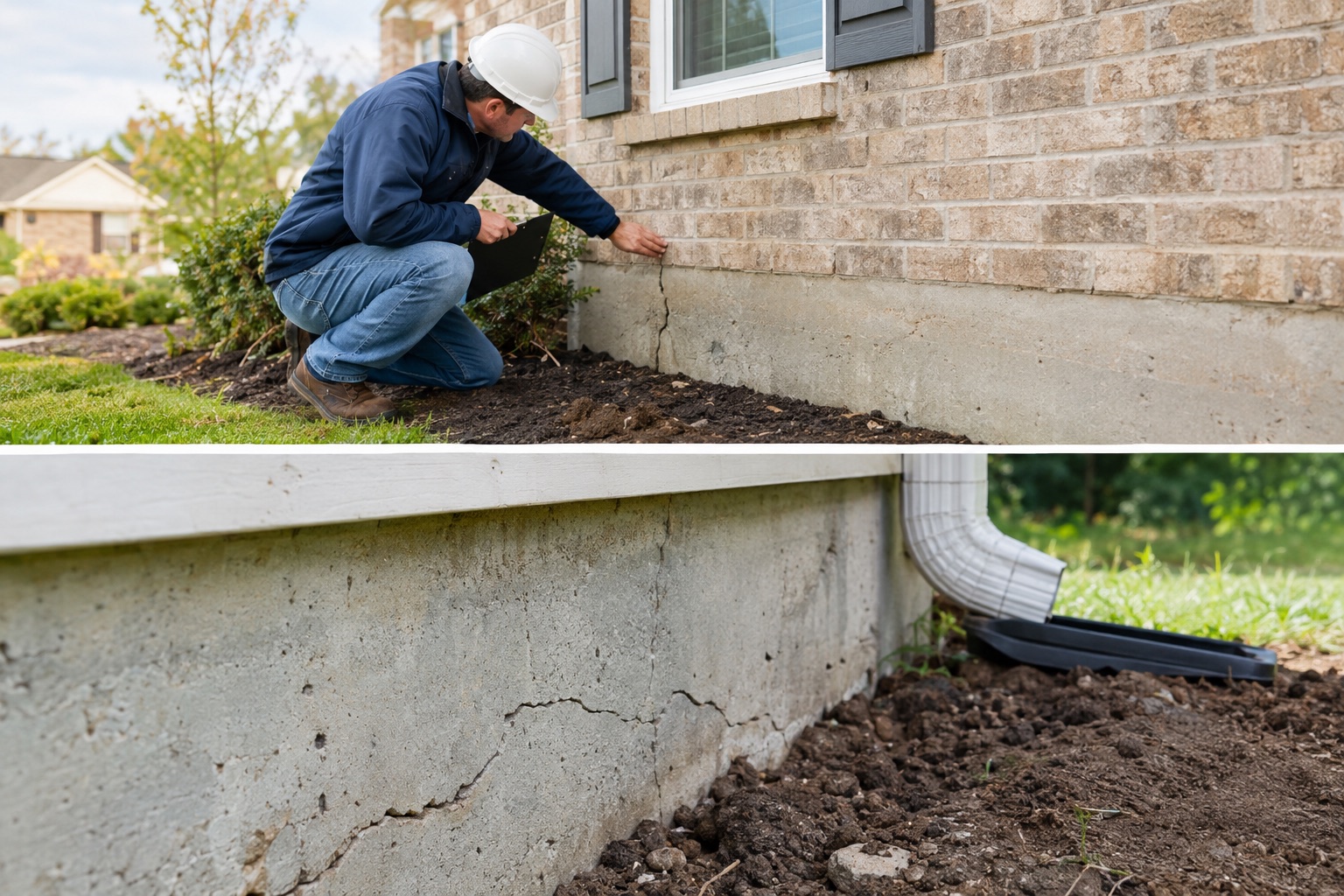
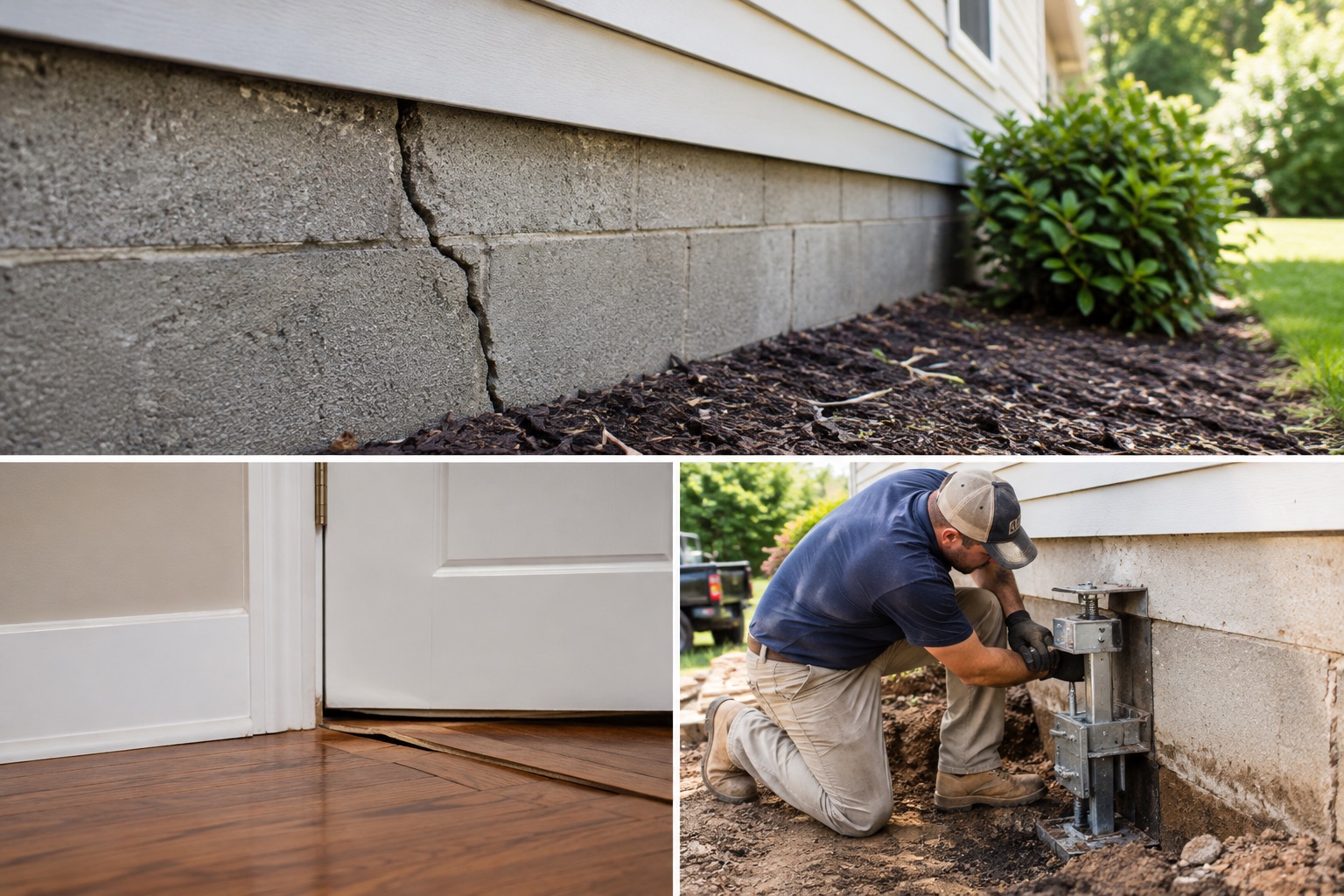
Cracks in below-grade foundation walls can provide a path for water to enter, especially when exterior moisture collects near the wall. The condition of the crack and any signs of movement should be considered before sealing. A suitable repair may reduce leakage through a stable crack, while structural movement may require a different approach. The surrounding drainage conditions also matter when planning a durable response.
Downspouts that discharge near the foundation, low areas beside the house, and grading that directs water toward the building can contribute to basement moisture. Improving surface drainage may reduce the amount of water reaching the foundation. However, exterior drainage changes may not resolve every below-grade leak. The property should be considered as a whole when selecting a moisture-control plan.
Basement walls may feel damp because of water intrusion, condensation, or elevated indoor humidity. These conditions have different causes and may require different responses. Identifying the moisture source helps avoid applying a coating or sealant that does not address the real problem. Persistent dampness should be investigated, especially when accompanied by musty odors or visible deterioration.
Some properties may benefit from a drainage system or other water-management measures, depending on the source and pattern of intrusion. The choice of system should account for foundation construction, site conditions, discharge arrangements, and maintenance needs. A drainage installation should not be assumed necessary for every damp basement. The proposed scope should explain how the system is intended to manage water and what ongoing care may be required.
| Service | Estimated Cost | Average |
|---|---|---|
| Localized basement crack sealing | Depends on crack and water conditions | Property-specific estimate required |
| Exterior drainage improvements | Depends on grading and site access | Property-specific estimate required |
| Basement drainage or waterproofing system | Depends on system design and area | Property-specific estimate required |
| Waterproofing with structural repair | Depends on both scopes of work | Property-specific estimate required |
Waterproofing costs depend on the source of moisture, foundation construction, the affected area, excavation or interior access, drainage requirements, and any structural work. These categories are not price quotations. A property-specific estimate should identify the proposed system, its scope, and its limitations.
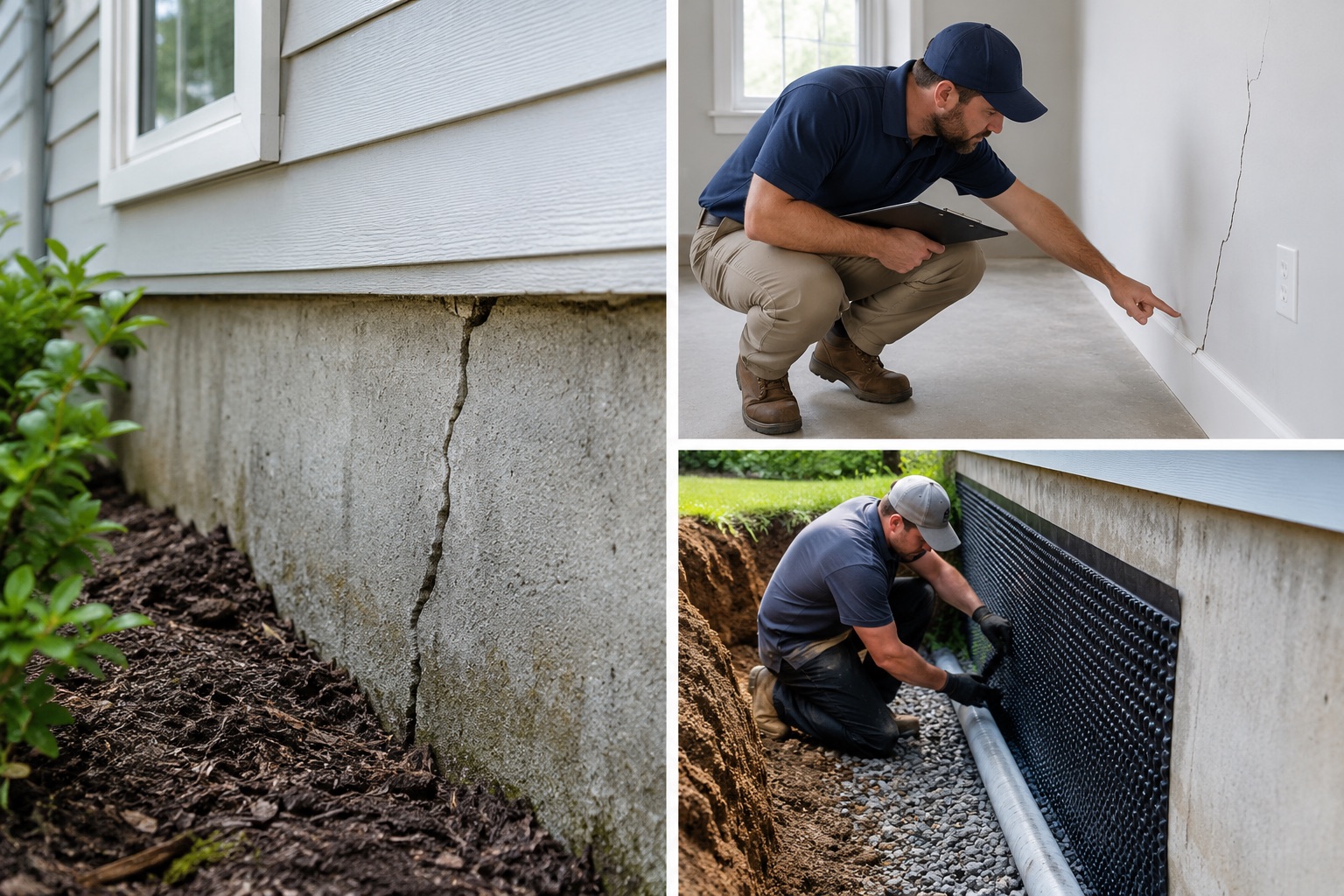
We believe the first step is understanding whether moisture comes from runoff, a crack, condensation, or another condition.
Where cracks or movement are present, waterproofing decisions should account for the structural condition rather than focusing only on the water.
We explain what a proposed moisture-control measure is designed to do and identify relevant limitations and maintenance considerations.
For basement moisture or leaking foundation concerns in Oak Ridge, contact us to discuss the source and possible solutions.
Free — no obligations
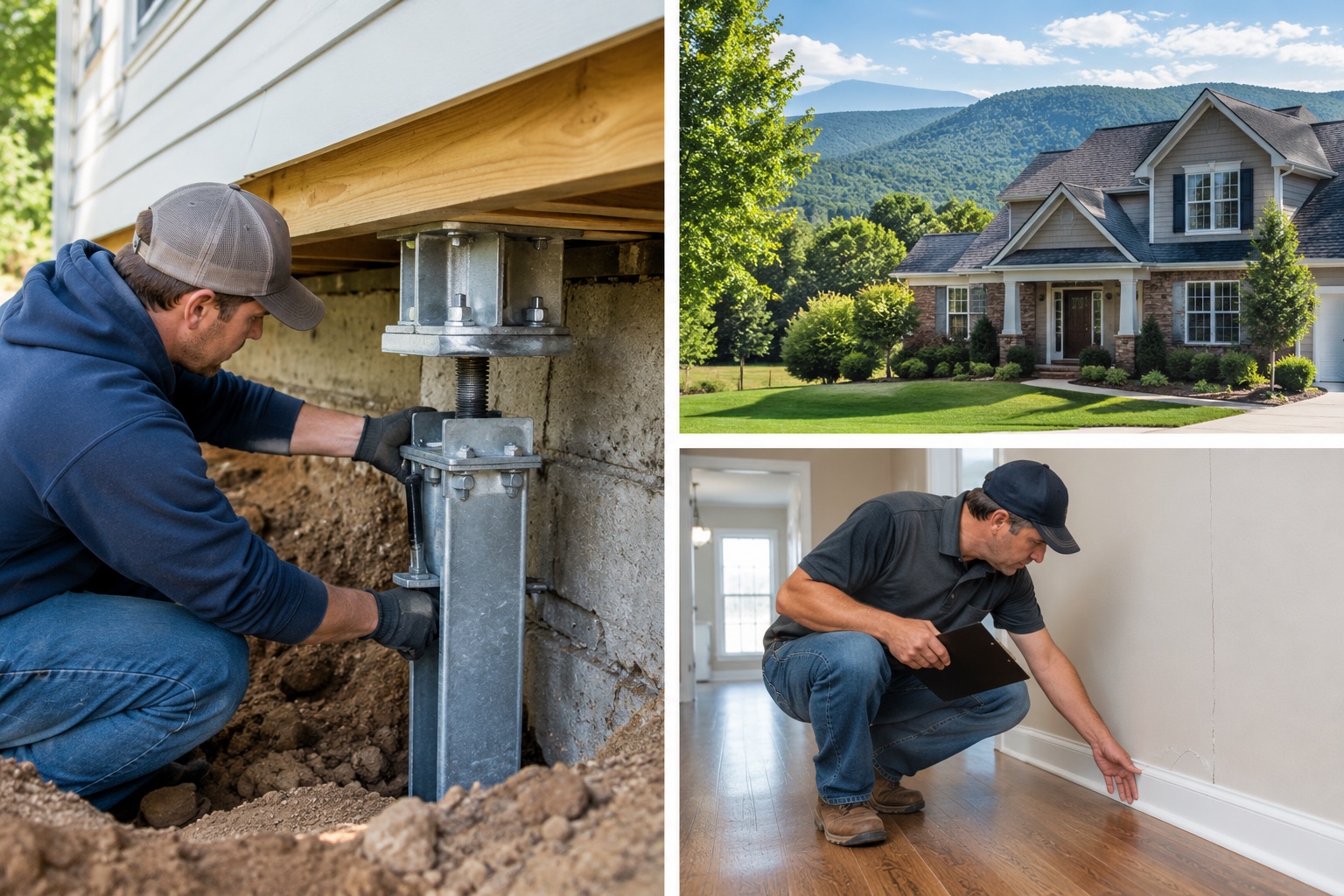
Note where water appears, when it occurs, how much moisture is present, and whether the issue follows rainfall or other conditions.
Consider visible cracks, wall-floor joints, drainage, condensation, and other relevant conditions within the agreed assessment scope.
Explore whether targeted sealing, drainage improvements, waterproofing measures, or additional structural evaluation may be appropriate.
Understand the proposed work, expected costs, discharge arrangements where applicable, maintenance needs, and stated limitations before approving the project.