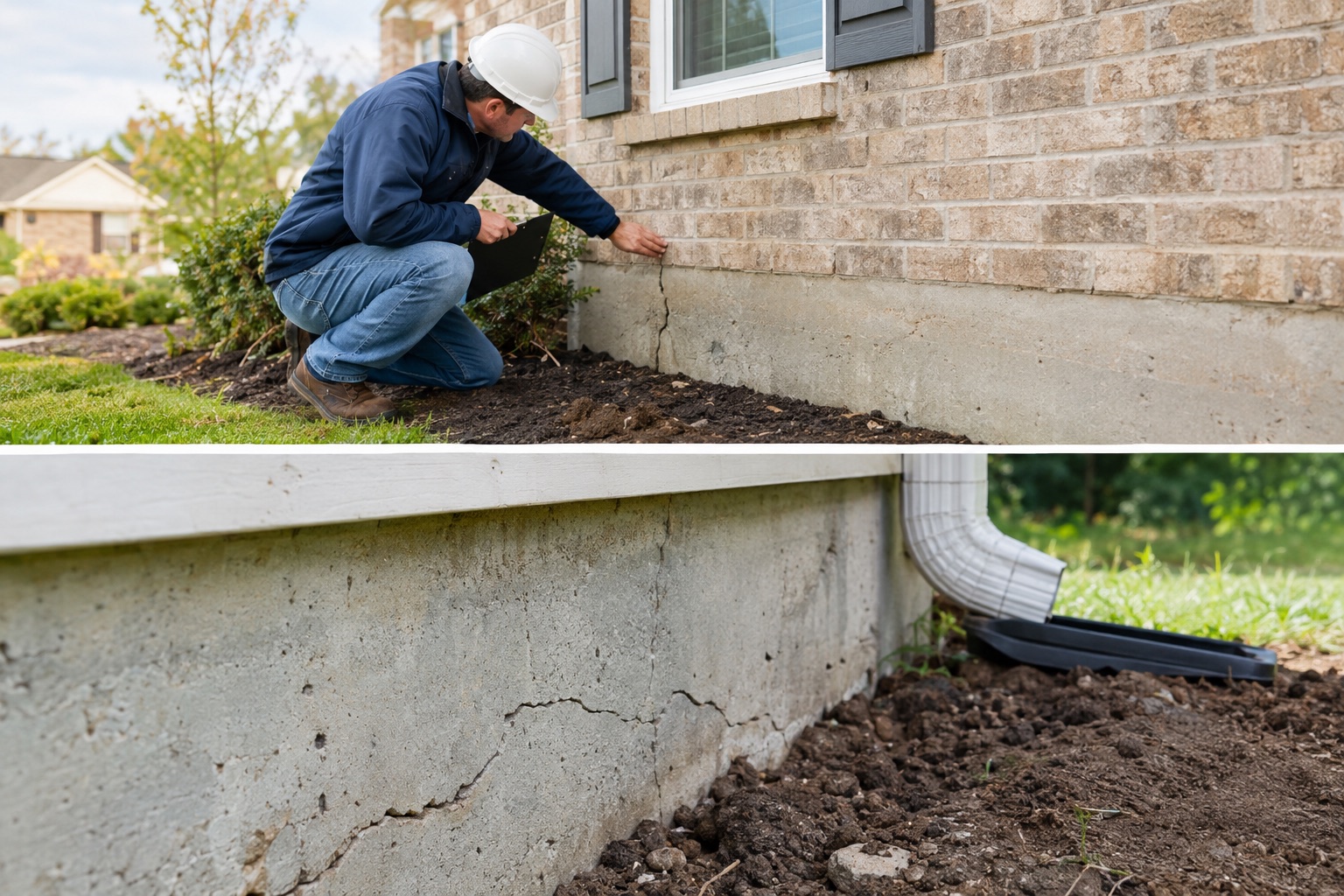
Crawl Space Repair in Oak Ridge
Crawl Space Repair and Structural Support
Damp crawl space, musty odors, or soft floors? Let's discuss the cause. Get a Free Estimate
Crawl Space Repair in Oak Ridge
Damp crawl space, musty odors, or soft floors? Let's discuss the cause. Get a Free Estimate
A crawl space contains important parts of a home's structure, including floor framing, support posts, and areas where moisture can accumulate. When conditions beneath the home are persistently damp, homeowners may notice musty odors, condensation, damaged wood, or floors that feel soft or uneven. These symptoms can have different causes and should be considered together rather than treated as isolated problems.
Crawl space repair starts with understanding the moisture conditions, the state of the framing and supports, and whether the ground or drainage contributes to the problem. Depending on the findings, the solution may involve moisture management, drainage improvements, vapor control, damaged material repairs, or structural support work. The appropriate scope depends on the property and may require specialist assessment where damage is substantial.
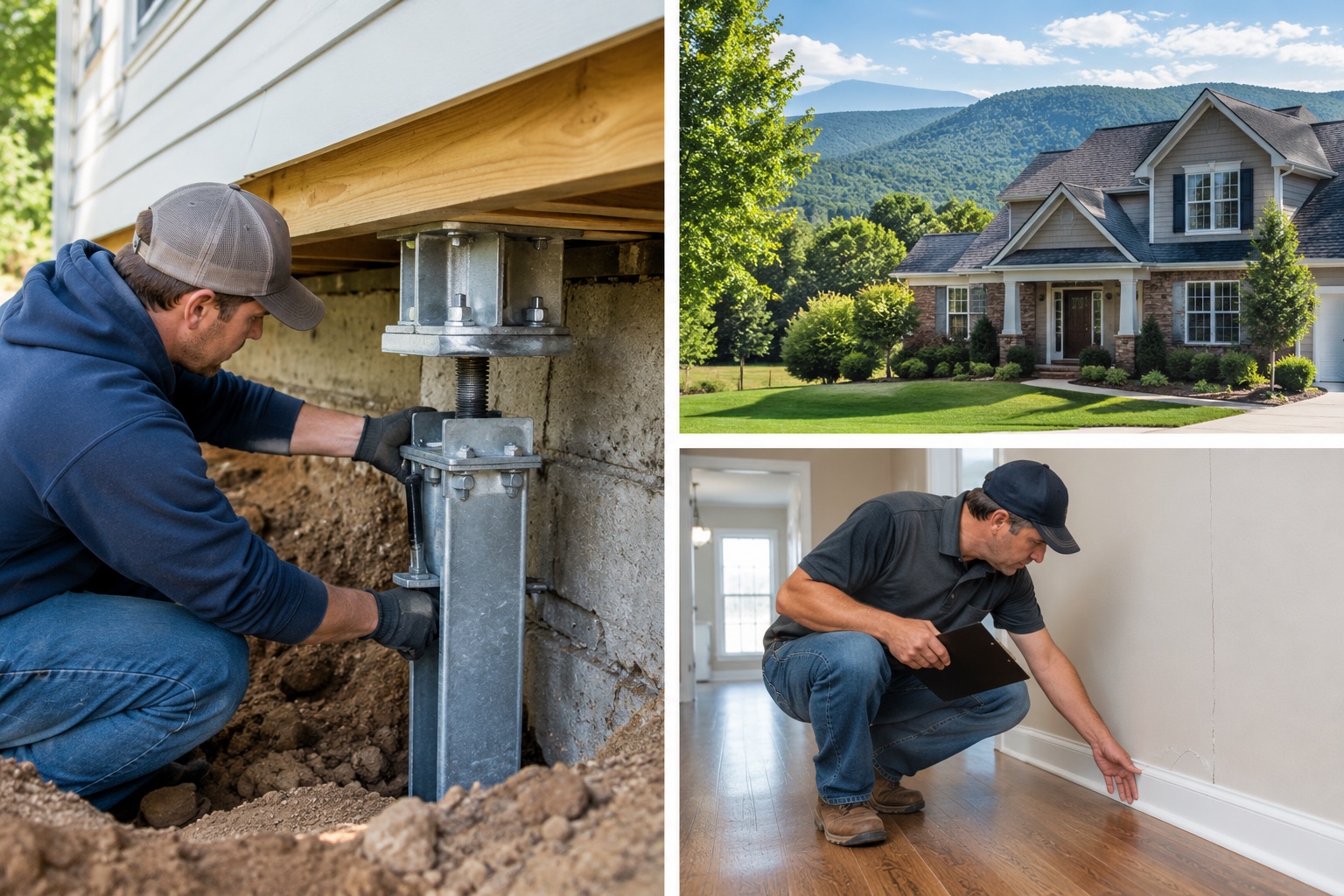
A crawl space should be considered both a moisture environment and a structural area. Understanding the conditions inside helps determine which repairs may be necessary.
Moisture may enter a crawl space through exposed soil, exterior drainage issues, leaks, or humid air. Persistent dampness can contribute to odors, condensation, and deterioration of susceptible materials. The appropriate response depends on the source and severity of the moisture. Ventilation, vapor control, drainage changes, or other moisture-management measures may be considered as part of a property-specific plan.
Wood joists, beams, and other framing components can deteriorate when exposed to persistent moisture or other damaging conditions. Signs may include soft spots in floors, visible deterioration, or changes in floor level. The affected materials and the underlying cause should be evaluated before selecting a repair. Substantial damage may require a qualified structural professional to determine the appropriate scope.
Support posts and beams help transfer floor loads toward the foundation. If a support shifts, deteriorates, or no longer provides adequate bearing, floors above may become uneven or feel unstable. Repair options depend on the existing framing, loads, and site conditions. Structural changes should be planned carefully and may require engineering input.
Water entering from outside or moisture rising from exposed soil can create persistent crawl space dampness. Improving grading, managing roof runoff, and controlling ground moisture may be important parts of a solution. These measures do not automatically resolve damaged framing or inadequate support, so structural conditions should also be considered. The goal is to address the contributing conditions as well as visible damage.
| Service | Estimated Cost | Average |
|---|---|---|
| Crawl space moisture assessment and repair | Depends on source and scope | Property-specific estimate required |
| Vapor control and moisture management | Depends on area and system selected | Property-specific estimate required |
| Crawl space support repair | Depends on structural condition | Property-specific estimate required |
| Damaged framing repair | Depends on extent and accessibility | Property-specific estimate required |
Crawl space costs vary with the size of the space, access, moisture source, material condition, and extent of structural damage. The proposed scope should separate moisture-control work from structural repairs and identify any additional specialist requirements.
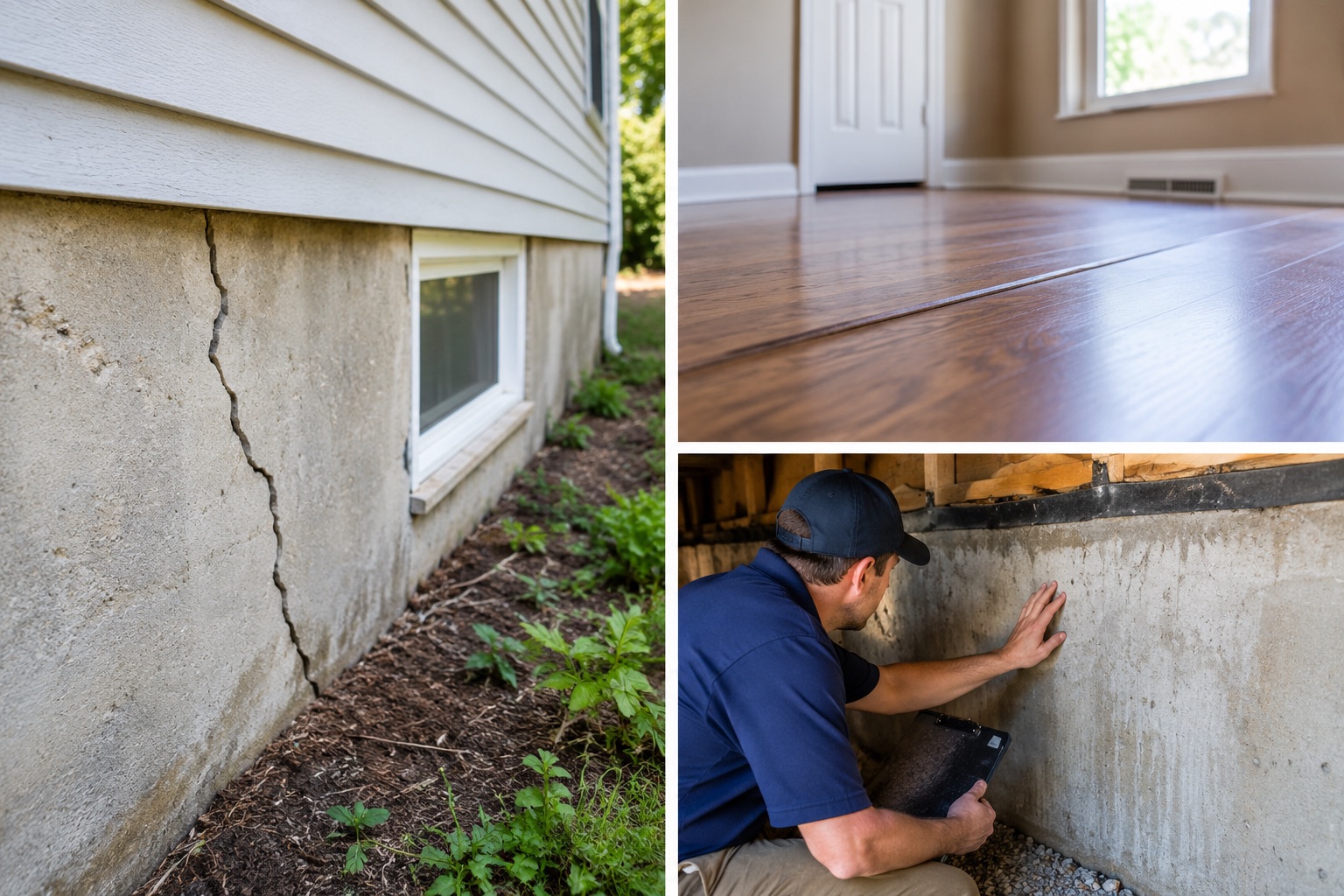
Crawl space moisture and structural damage can be related, so we emphasize understanding both where relevant.
Crawl spaces can be confined and difficult to enter. Assessment and work should account for site access and appropriate safety precautions.
We explain whether proposed work addresses moisture, damaged components, support concerns, or a combination of these issues.
Concerned about moisture or structural damage beneath your home? Contact us to discuss crawl space repair options.
Free — no obligations
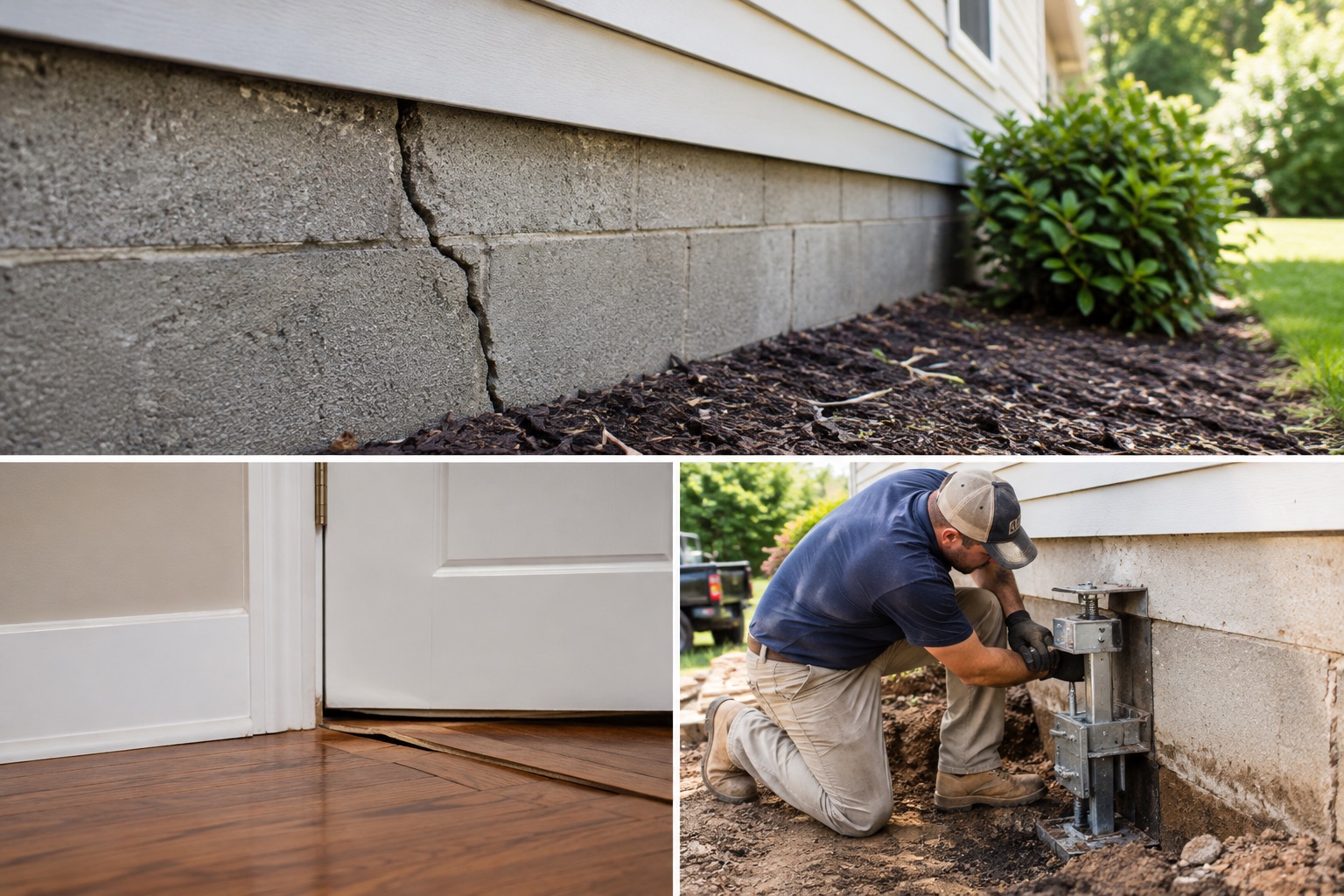
Tell us about dampness, odors, floor changes, visible damage, or any history of water entering the crawl space.
Within the agreed scope, consider moisture sources, drainage, accessible framing, and support conditions.
Identify whether moisture management, damaged material repair, support work, or additional specialist evaluation may be needed.
Understand the work involved, expected cost, access requirements, and any recommended maintenance or follow-up.