Foundation Crack Repair
Foundation Crack Repair in Oak Ridge, TN
A crack in your foundation deserves a closer look. Get a Free Estimate
Foundation Crack Repair
A crack in your foundation deserves a closer look. Get a Free Estimate
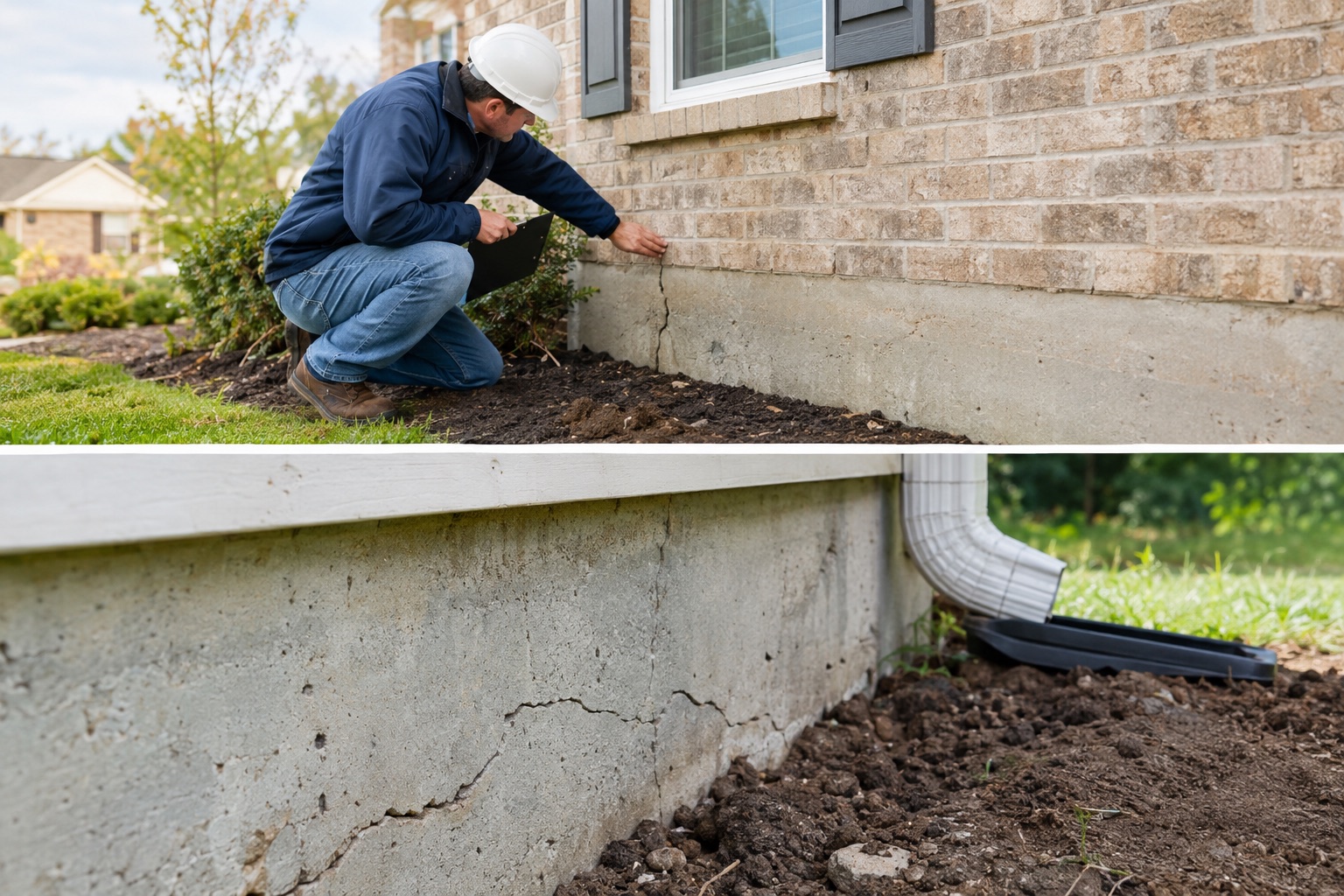
Foundation cracks can appear in poured concrete, concrete block, and other masonry surfaces. Some develop as materials cure or change with temperature and moisture, while others may be associated with settlement, wall pressure, or water intrusion. The appearance of a crack alone does not always reveal its cause, which is why its location, direction, width, and progression matter.
Foundation crack repair in Oak Ridge starts with understanding whether the crack is stable, leaking, or associated with structural movement. A suitable repair might involve a specialized sealing method, monitoring, or further structural evaluation. Simply covering a crack may not solve the problem if the underlying foundation is still moving or water pressure remains unresolved.
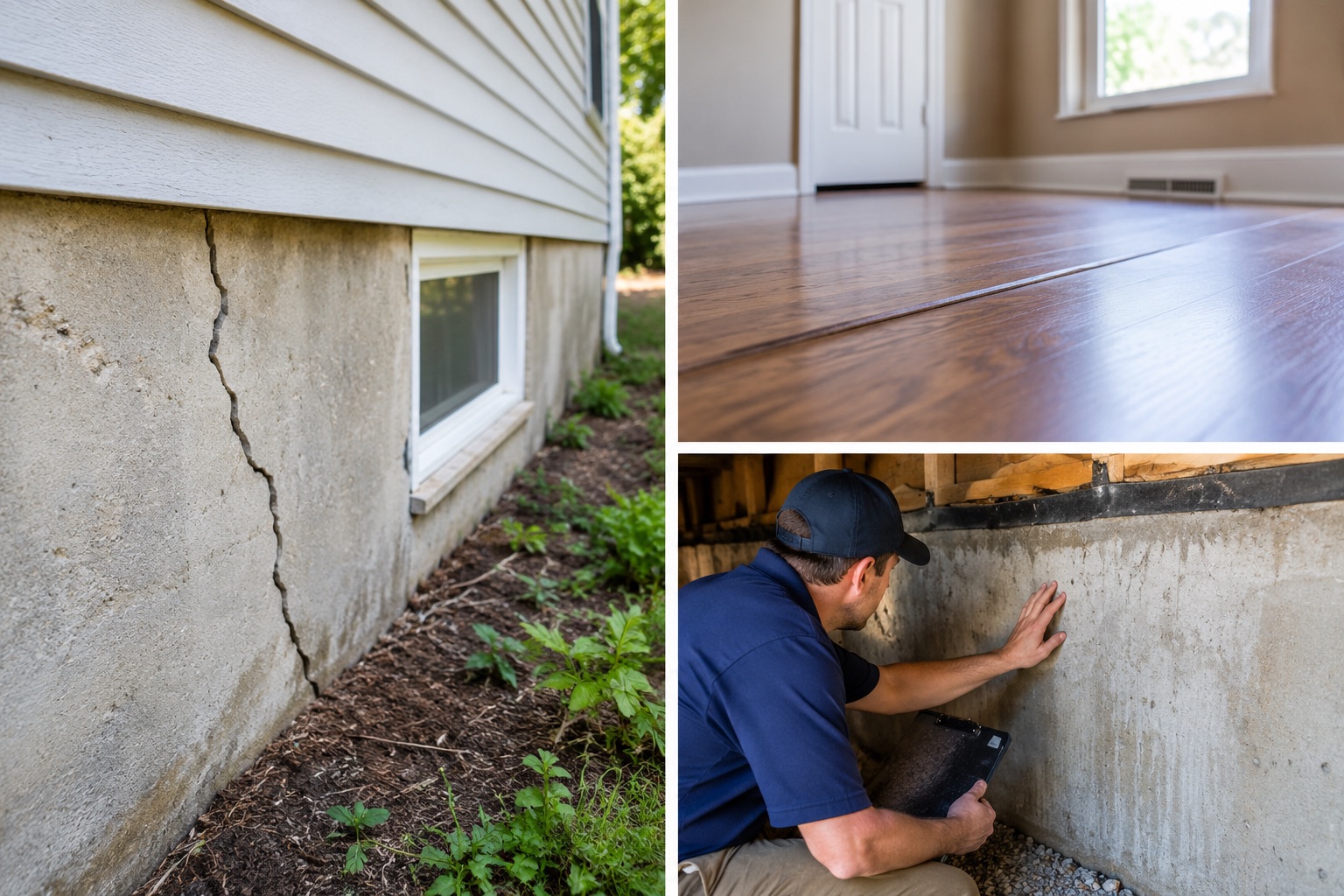
Recognizing the differences between crack patterns can help homeowners describe their concerns and understand why the appropriate repair depends on the condition of the wall.
Vertical cracks can occur as concrete cures or when building materials respond to changing conditions. Some remain stable, while others may allow water to enter or form part of a larger pattern of movement. Their width, location, and progression should be considered before choosing a repair. A suitable sealing method may help with certain stable cracks, but further assessment is appropriate if other symptoms are present.
Horizontal cracks in foundation walls can indicate pressure against the wall or other structural concerns, particularly when accompanied by bowing or displacement. These cracks deserve careful evaluation because a simple surface seal may not address the underlying forces. The appropriate response depends on the wall construction, severity, and evidence of movement. Significant or worsening horizontal cracks should be assessed promptly.
Diagonal cracks in poured concrete or stair-step cracks in masonry may be associated with differential movement, settlement, or other changes in the structure. Their significance depends on the pattern, location, and other visible symptoms. Monitoring may help document progression, but it should not replace assessment when the damage is substantial or worsening. The repair plan should address the likely cause where it can be established.
Water may enter through a crack when exterior moisture reaches the foundation and finds a path indoors. Repair options depend on the crack's condition, the source of water, and whether structural movement is present. Sealing may address some water-entry paths, but persistent water pressure or drainage problems may require additional work. The source should be considered to reduce the risk of recurring moisture.
| Service | Estimated Cost | Average |
|---|---|---|
| Minor stable crack repair | Depends on crack size and method | Property-specific estimate required |
| Leaking foundation crack repair | Depends on access and water conditions | Property-specific estimate required |
| Crack repair with structural reinforcement | Depends on movement and wall condition | Property-specific estimate required |
The cost depends on crack dimensions, material, accessibility, moisture conditions, and whether structural movement needs to be addressed. A repair estimate should distinguish between sealing a crack and stabilizing the foundation.
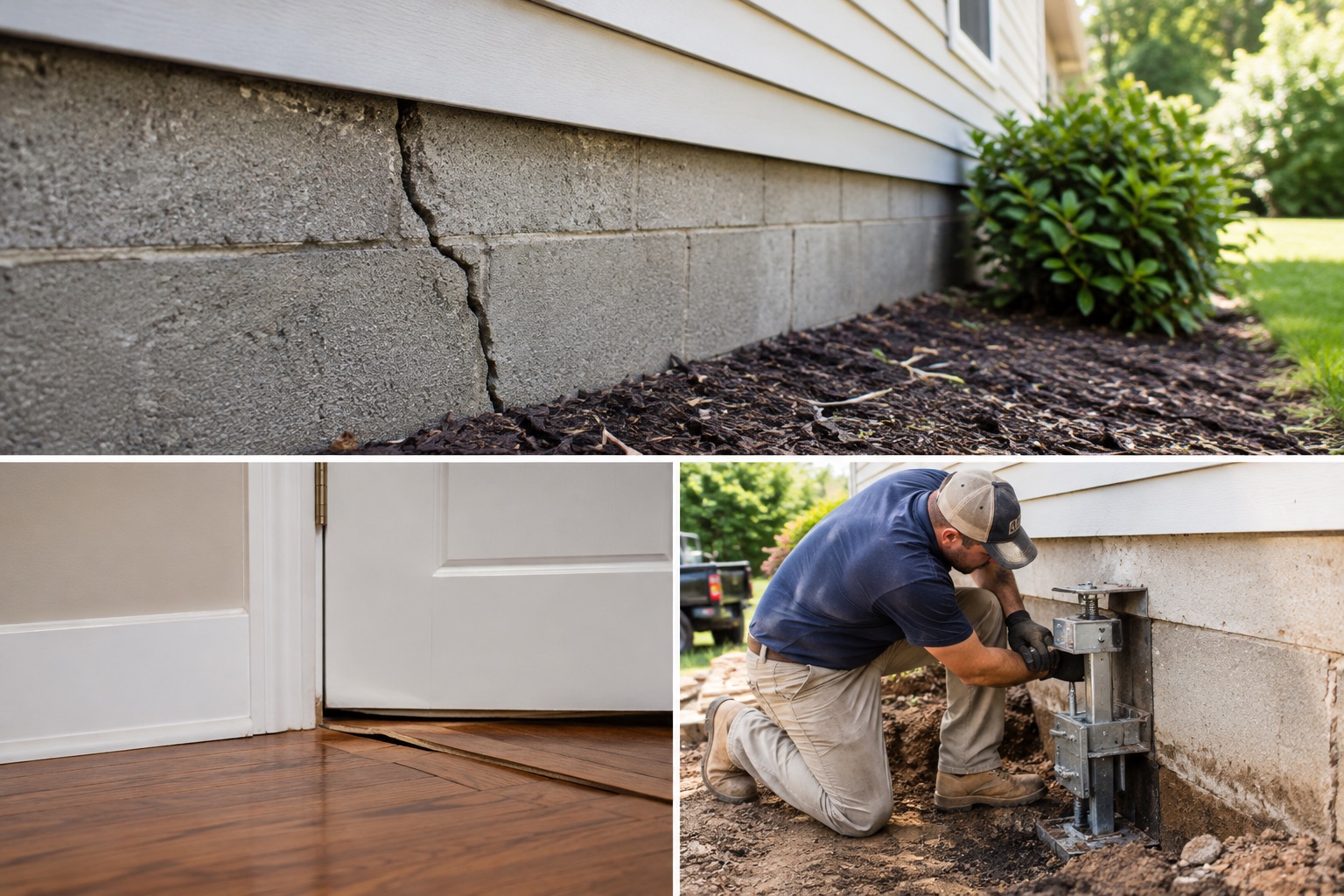
We emphasize the pattern, location, and condition of a crack rather than assuming every crack has the same cause.
When water is involved, identifying its source helps determine whether sealing alone is likely to be appropriate.
Bowing walls, widening cracks, and displacement can require specialist evaluation rather than a cosmetic patch.
Have a cracked foundation wall or leaking crack? Contact us to discuss its location, appearance, and condition.
Free — no obligations
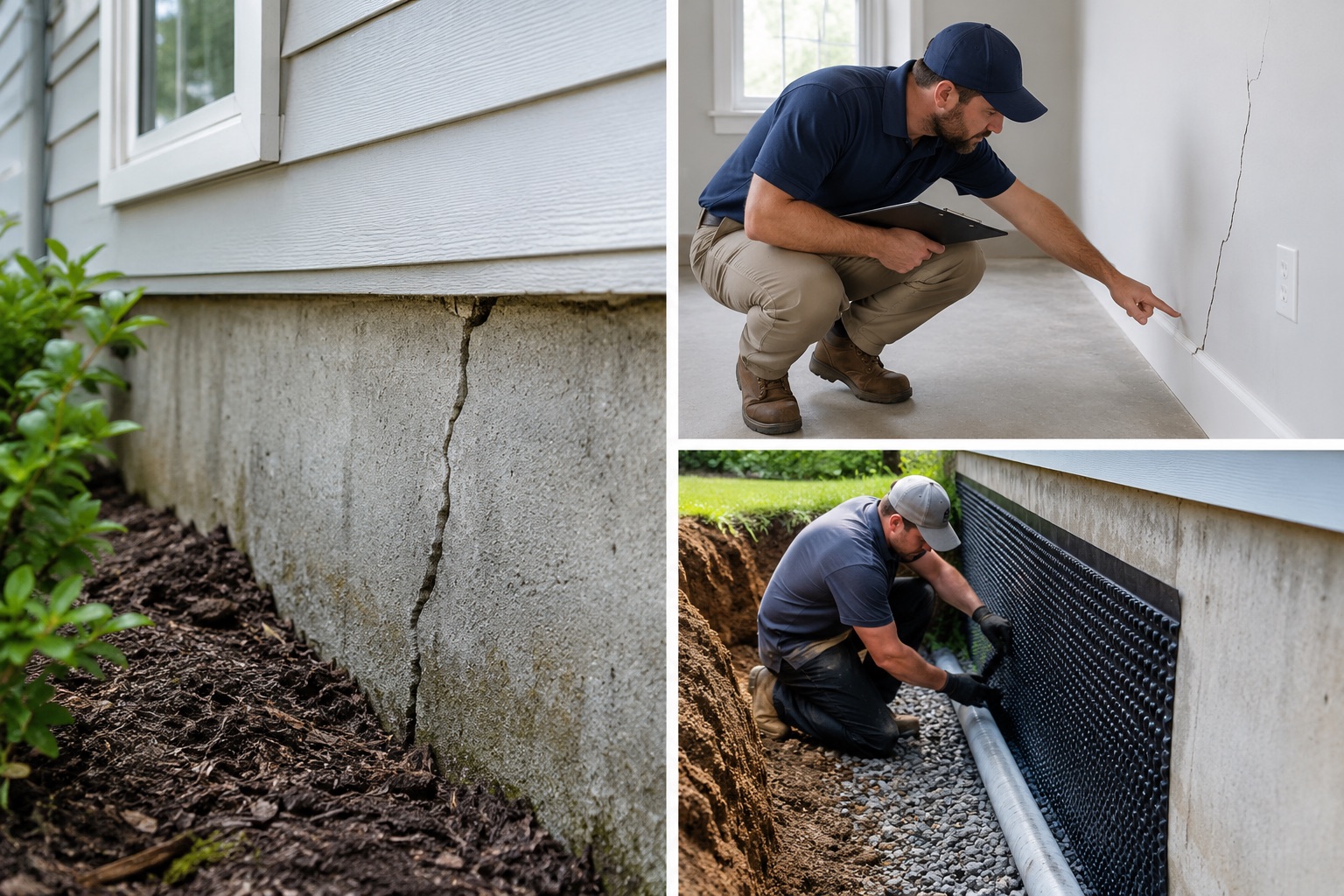
Note its location, approximate width, direction, and whether it is changing or allowing water to enter.
Review any wall movement, floor changes, moisture, or nearby cracks that may help explain the condition.
Consider whether sealing, monitoring, additional investigation, or structural repair may be appropriate.
Understand what the proposed repair addresses, what it cannot guarantee, and whether related drainage or engineering work is recommended.